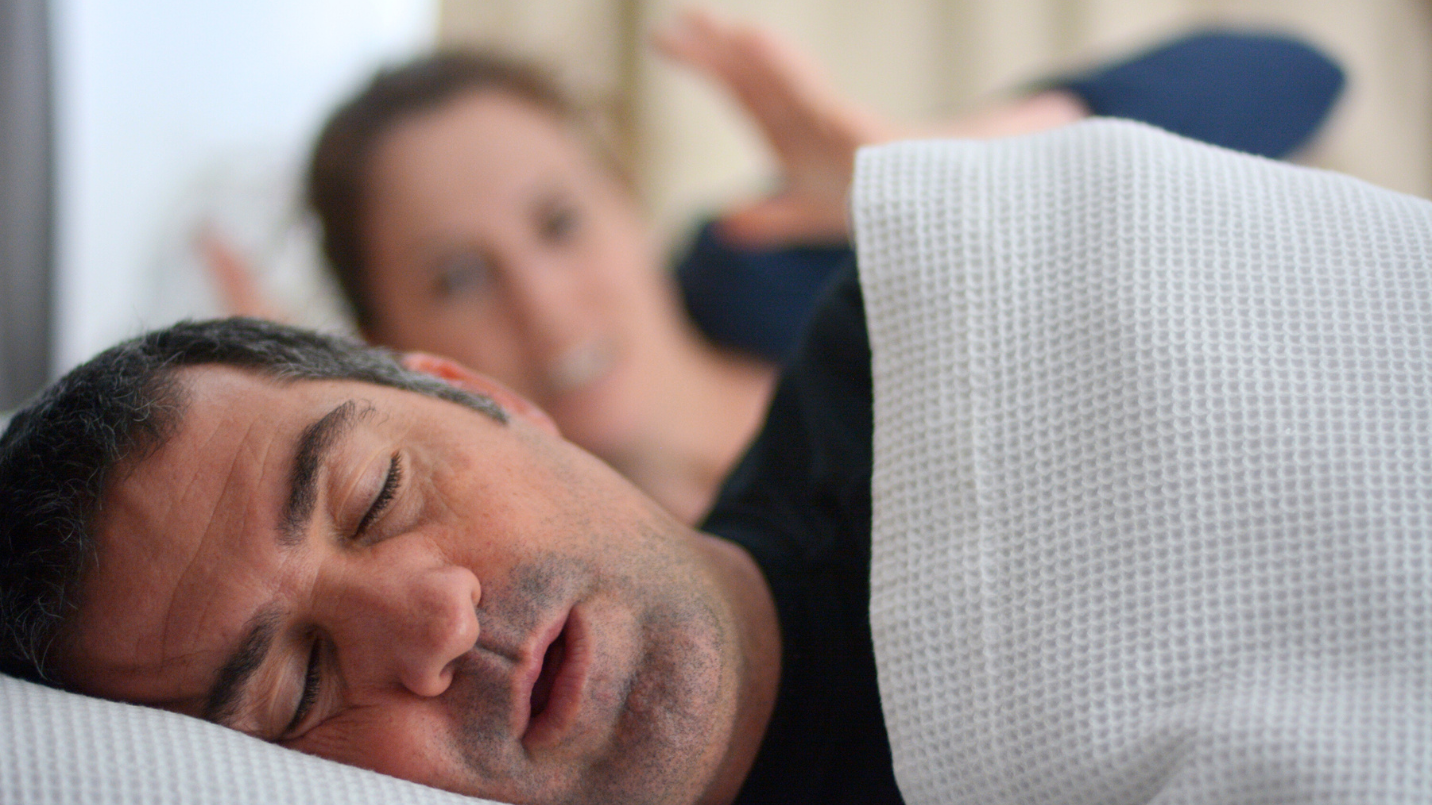
Can GLP-1s treat sleep apnea
What’s in this blog?
- The link between obesity and obstructive sleep apnea
- Health effects of leaving sleep apnea untreated
- The cost behind obesity and obstructive sleep apnea
- Traditional treatments for OSA
- GLP-1 reception agonists in treating sleep apnea
- From CPAPs to GLP-1s: Expanding the sleep apnea toolbox
Sleep apnea is a common sleep disorder that causes interruptions in breathing during sleep, leading to fragmented sleep quality and other serious health risks if left untreated. There are 2 main types: obstructive sleep apnea (OSA) and central sleep apnea (CSA). While OSA is caused by physical blockages in the airways, CSA is caused by the brain failing to signal a person to breathe regularly during sleep. In this article we will focus on OSA and more specifically how treating obesity can help reduce the risk of it.
Remember, there is no one size fits all treatment and you should always consult a medical professional before starting or stopping any treatments.
The link between obesity and obstructive sleep apnea
Obesity is one of the major risk factors for OSA. Excess body fat, especially around the neck, throat, abdomen and chest can lead to elevated pressures in the upper airways that can cause them to collapse or partially collapse during sleep. This blockage is made worse by the hormonal and inflammatory changes in the body caused by obesity as well.
Studies suggest that even a 10% increase in body weight can lead to a 6-fold increase in the risk of developing moderate to severe OSA. In addition, about half of adults with obesity will develop OSA.
Health effects of leaving sleep apnea untreated
When left untreated, sleep apnea leads to a number of health issues and complications. Repeated interruptions in breathing significantly disrupts sleep, leads to daytime tiredness, lowers the ability for people to concentrate, and more. It is also associated with a higher risk of high blood pressure, heart disease, stroke, and diabetes. In short, OSA creates a vicious cycle of worsening health and long-term disease.
The cost behind obesity and obstructive sleep apnea
According to studies, adults with obesity in the U.S. have significantly higher medical costs per year, on average about 100% more than their normal-weight counterparts. For more severe classes of obesity this number shoots up to over 233%. By treating obesity, you treat several downstream chronic diseases, including OSA.
Studies have also shown that untreated moderate to severe sleep apnea may cause $3.4 billion in annual medical costs in the U.S.
Traditional treatments for OSA
The most common treatments for OSA include a combination of lifestyle change recommendations and medical devices known as CPAPs (Continuous Positive Airway Pressure) that use air pressure to keep the airways open during sleep. The machine is placed onto the airway via a mask or nasal system and humidified air is blown into the lungs at a constant pressure, helping to keep the airways open.
For people with obesity, weight loss is highly effective at reducing the severity of OSA. A reduction in weight of only 10% can lead to a 26% reduction in breathing interruptions per hour. Weight loss in some studies has even been shown to lead to remission of OSA altogether, eliminating the need for CPAP machines or other sleep apnea treatments.
The emerging role of GLP-1 receptor agonists in treating sleep apnea
GLP-1 receptor agonists, medications initially developed for diabetes treatment, have become a mainstay of weight management treatment. Their effectiveness in helping people lose weight has also caused them to emerge as a promising alternative treatment for OSA in people who are overweight or obese.
A 2021 study showed that GLP-1 receptor agonists significantly improved the Apnea-Hypopnea Index (AHI), reduced body weight, and lowered systolic blood pressure in adults with moderate to severe OSA. While GLP-1s offer a new and promising approach to treating OSA, they are not without side effects. Common adverse effects of these medications include gastrointestinal issues like nausea and diarrhea. Therefore, it’s essential for patients to consult with a healthcare provider before starting these medications.
From CPAPs to GLP-1s: Expanding the sleep apnea toolbox
Sleep apnea is a serious health condition with far-reaching long-term health consequences, especially in a person with obesity. By understanding the root causes of sleep apnea and exploring all possible treatment options, people can empower themselves to take action towards better health and reduce their risk of chronic diseases.
Integrating new treatments like GLP-1s can make weight loss and OSA treatment less of a challenge, leading to improved quality of life and lower health care costs.