Prescription peptides, guided by your clinician.
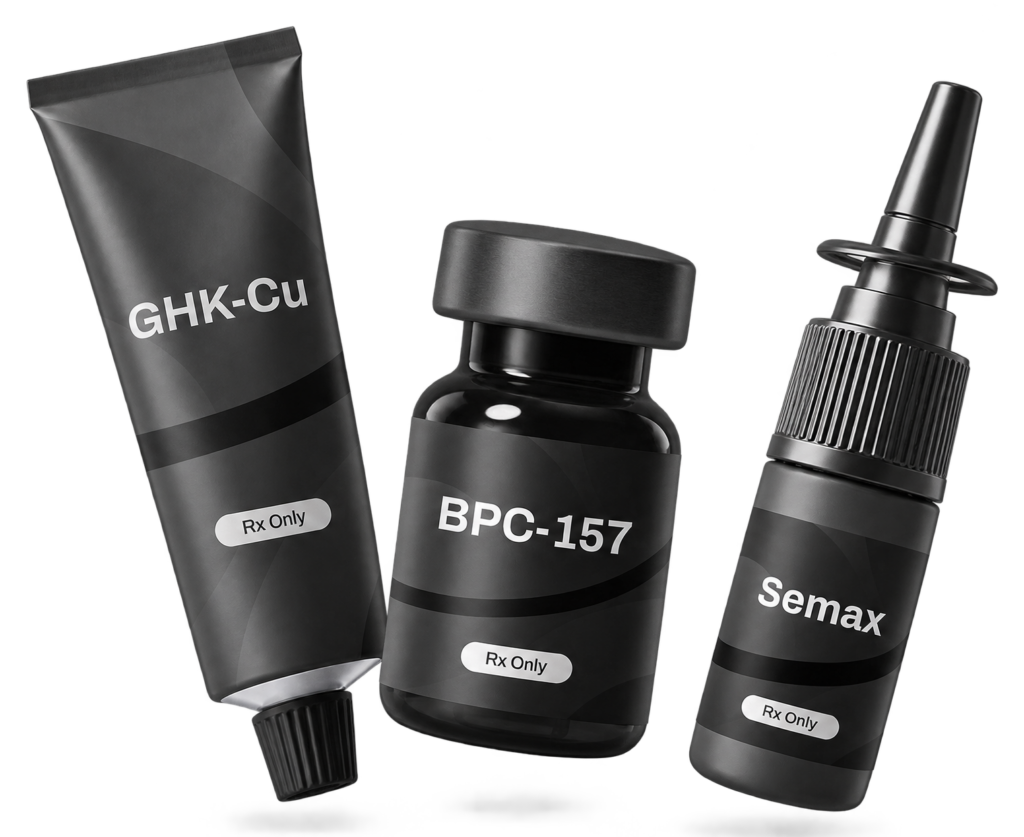
Explore prescription peptides like BPC-157, GHK-Cu, and Semax. A licensed clinician reviews your health history and decides what’s appropriate for you.
What are peptides?
Peptides are short chains of amino acids found naturally in the body. Through Agile, a licensed clinician reviews your health history and determines whether a prescription peptide is right for you.
Explore our peptides →
We make it easy
At Agile, our solutions are simple and accessible.
Step 01
Take our quiz
Answer a few simple questions to help us find which program is right for you.
Step 02
Connect with a provider
Connect with one of our healthcare providers to review your medical history and care goals.
Step 03
Start your journey
Access personalized care, resources, and support from professionals and members on our platform.
Individual Peptides
A synthetic 15-amino-acid peptide with a sequence based on a protein found in human gastric juice. Laboratory and animal studies have explored its role in cell migration, new blood vessel formation, and collagen deposition.*
No large human randomized controlled trials have been published and it is not FDA-approved for any use.
Human data are limited and it is not FDA-approved for any use.
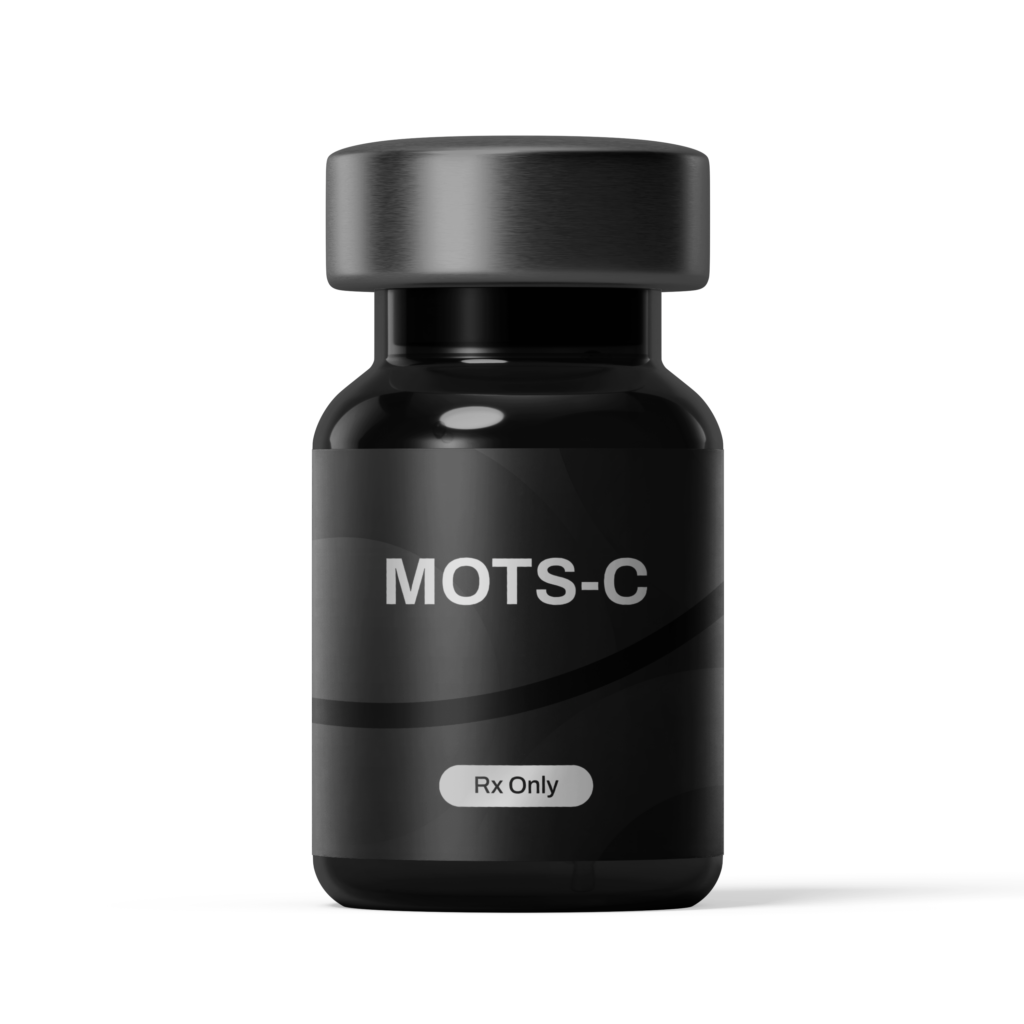
A 16-amino-acid peptide encoded within mitochondrial DNA, first described in 2015. Laboratory and animal studies have explored its role in AMPK signaling. Not prescribed alongside GLP-1 medications.*
Human data are limited and it is not FDA-approved for any use.
A synthetic four-amino-acid peptide developed from an extract of the pineal gland. Laboratory and animal studies have examined it in telomerase, an enzyme that plays a role in cell division.*
Research is limited and it is not FDA-approved for any use.
*Peptide therapies are not FDA approved. FDA does not review compounded preparations for safety, efficacy, or quality. For general educational and informational purposes only. This information is not intended to promote any individual medication or to guarantee efficacy or outcomes, and is not a substitute for professional medical advice. All peptides in this program are compounded preparations not evaluated or approved by the FDA. Prescription and program eligibility are not guaranteed and are determined by a licensed healthcare provider after an appropriate medical evaluation. All medication pathways are determined exclusively by licensed healthcare providers following individualized clinical evaluation. Availability varies by clinical appropriateness, federal and state law, and pharmacy. Rx only.
Peptide stacks
Choose up to three peptides you’re curious about. Your clinician will review your selection and recommend what’s right for you.
Which peptides interest you?
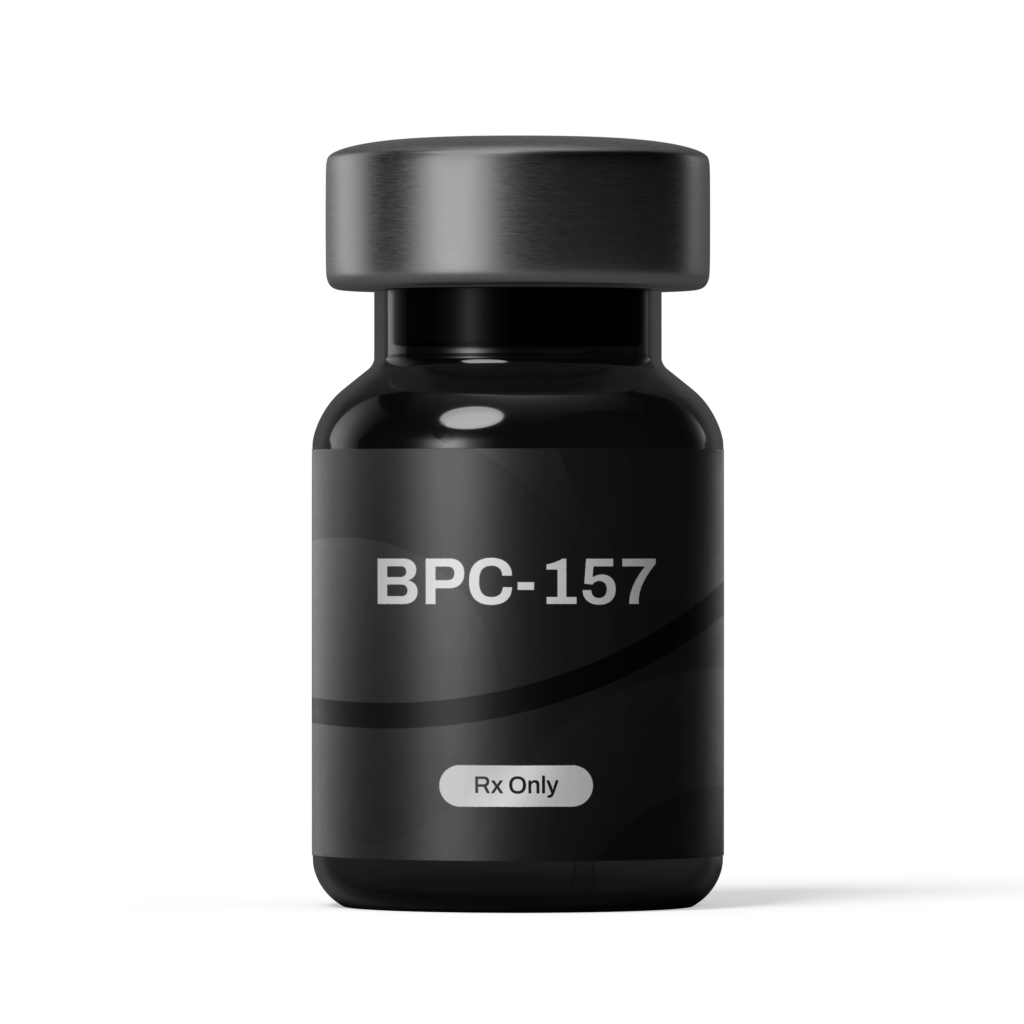
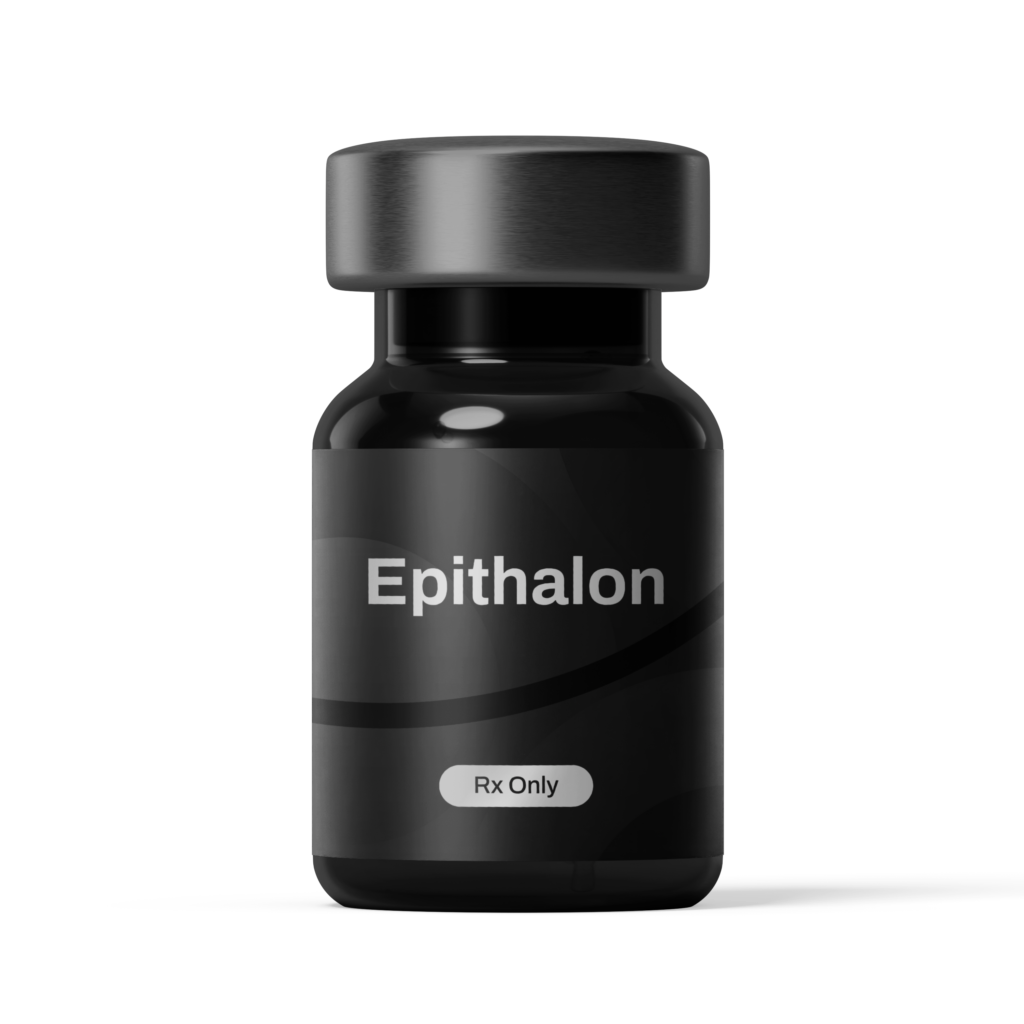
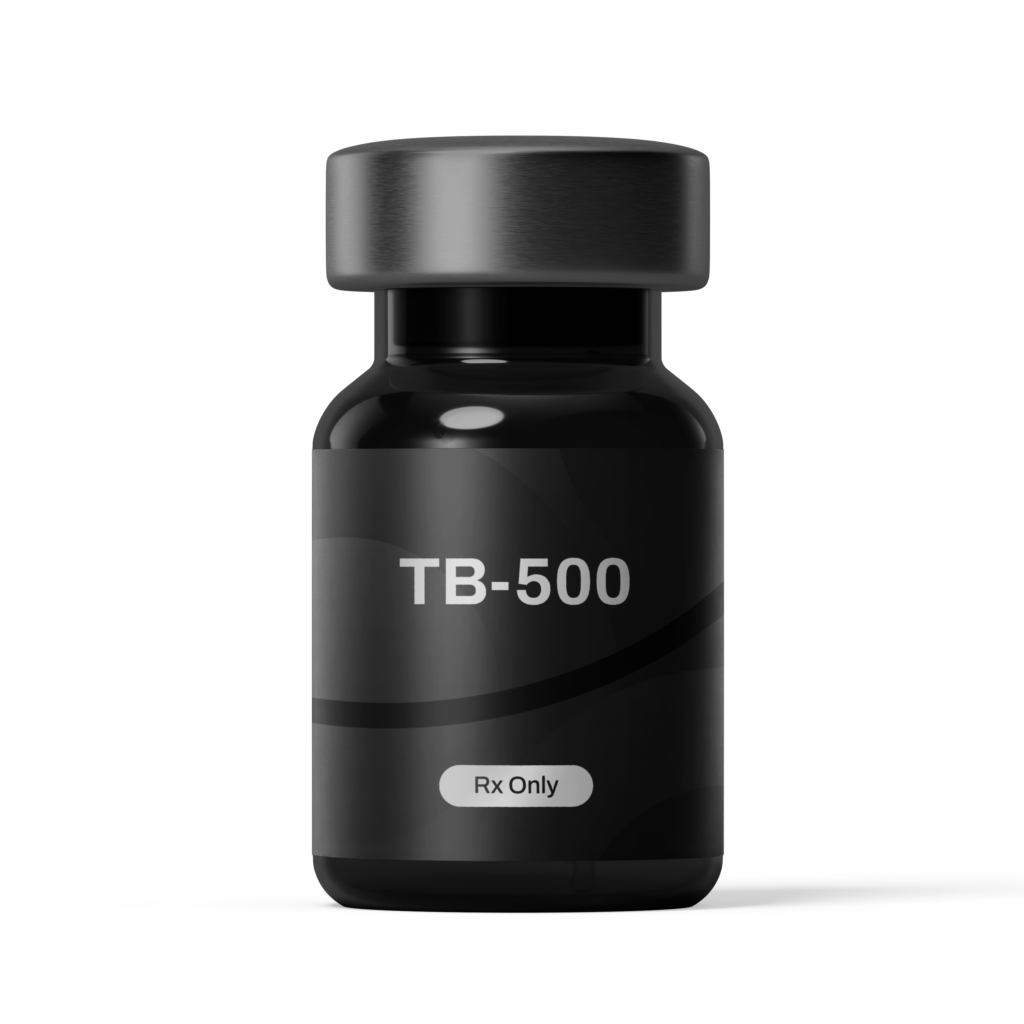
A licensed clinician will review your selections and recommend what’s right for you.
Testimonials
Ramutu Allen
May 5, 2026

Stacy Brady
May 1, 2026
David Cook
May 11, 2026

FAQ
What is the Peptide Wellness Program?
The program gives patients a prescription-based route to peptides, with every prescription based on an individual evaluation by a licensed clinician. It organizes single-ingredient compounded peptides into six patient goal areas.
Built on clinical rigor, with documented screening and pharmacy quality processes behind every prescription.
What peptides are included in the Peptide Wellness Program?
The following peptides are available in the program:
- BPC-157
- TB-500
- Epithalon
- MOTS-c*
- Semax
- KPV
*MOTS-c cannot be prescribed alongside GLP-1s.
What patient goal areas does the program include?
The program is organized around six patient goal areas, and each one can be offered on its own:
- Mobility: recovery and musculoskeletal health
- Gut: digestive health
- Radiance: skin and hair health
- Energy: metabolic health and energy
- Clarity: cognitive health and focus
- Rhythm: sleep and circadian health
How does the Peptide Wellness Program work?
- Patients share their health history and goals during intake.
- Patients identify which peptides they are interested in.*
- A licensed clinician independently evaluates and determines which peptide(s), if any, may be clinically appropriate for the patient.*
*Interest does not determine treatment. Determination occurs after an independent evaluation. The clinician may decline to prescribe.
Do patients need a prescription for compounded peptides?
Yes. The HHS policy covers compounding for individual patients with a valid prescription. In OpenLoop’s Peptide Wellness Program, a licensed clinician evaluates every patient, and prescriptions are issued only when clinically appropriate.
Do I need lab work?
No routine labs required; clinicians order lab testing when indicated based on each patient’s history and needs.
How are peptides taken?
The program includes injectable, oral, topical, and intranasal preparations, which clinicians may consider based on patient needs and preferences.
Dosing is determined by the prescribing clinician. No FDA-approved dosing exists.
Can two or more peptides be combined into one vial or dose?
No. Under the HHS policy, each product may contain only one covered peptide, so blends and combinations fall outside it. A patient can still be prescribed more than one single-ingredient peptide when their clinician determines it’s clinically appropriate.
Can I take peptides if I’m on a GLP-1?
MOTS-c cannot be prescribed alongside GLP-1s.
A licensed clinician determines whether any peptide is appropriate based on an individual evaluation. Review of current and past medications, including GLP-1s, is part of each clinician evaluation.
Clinicians determine whether peptide therapy is appropriate for each patient, including patients receiving other treatments.
Are compounded peptides FDA-approved?
No. Compounded peptides are not FDA-approved, and the HHS policy doesn’t change that. The policy describes when HHS doesn’t intend to take enforcement action against compounding for individual patients. It isn’t an approval, the peptides’ category status hasn’t changed, HHS can revise the policy, and state rules still apply.
What is the HHS interim enforcement policy for compounded peptides?
On Oct. 28, 2026, the U.S. Department of Health and Human Services (HHS) released a draft interim enforcement policy covering six peptides. HHS doesn’t intend to take enforcement action against state-licensed 503A pharmacies, federal facilities, and licensed physicians that compound these peptides for individual patients with a valid prescription, as long as every policy condition is met, such as:
- A valid prescription for an individual patient
- Only the specific form and route listed for each peptide
- One covered peptide per product
- Ingredients from FDA-registered manufacturers, with a certificate of analysis (CoA)
- Labeling and reporting requirements for the compounding pharmacy
Is peptide availability the same in every state?
No. State rules still apply under the HHS policy, and availability depends on state-specific licensure and state board decisions. Those decisions are outside any single company’s control, so where the program is available may change as the policy rolls out.
What is BPC-157?
A synthetic 15-amino-acid peptide whose sequence is derived from a protein found in human gastric juice. It is not FDA-approved for any use.
What has research examined about BPC-157?
Most research on BPC-157 comes from laboratory and animal studies. Although stability in gastric juice has been reported, oral absorption has not been established, and no large human randomized controlled trials have been published.
Laboratory and animal studies have examined BPC-157 in the following biological processes:
- Cell migration
- New blood vessel formation
- Collagen deposition
Findings from laboratory and animal studies do not establish that BPC-157 will have any effect on people.
How is BPC-157 administered?
Routes of administration offered:
- Subcutaneous
- Intramuscular
- Oral (Only if bioavailability documentation exists)
- Topical
Dosing is determined by the prescribing clinician. No FDA-approved dosing exists.
What is TB-500?
A synthetic peptide that corresponds to a short fragment (amino acids 17–23) of thymosin beta-4, a 43-amino-acid protein the body produces naturally. It is not FDA-approved for any use.
What has research examined about TB-500?
Most research on TB-500 and thymosin beta-4 comes from laboratory and animal studies. Human data are limited and do not establish safety or effectiveness.
Laboratory and animal studies have examined thymosin beta-4 and some of its fragments in the following biological processes:
- Cell movement (migration)
- New blood vessel formation
Findings from laboratory and animal studies do not establish that TB-500 will have any effect in people.
How is TB-500 administered?
Routes of administration offered:
- Subcutaneous
- Intramuscular
Dosing is determined by the prescribing clinician. No FDA-approved dosing exists.
What is Epithalon?
A synthetic four-amino-acid peptide developed from epithalamin, an extract of the pineal gland. It is not FDA-approved for any use.
What has research examined about Epithalon?
Most research on Epithalon comes from a single research group. Human data are limited and do not establish safety or effectiveness.
Laboratory and animal studies have examined Epithalon in the following biological process:
- Telomerase, an enzyme involved in cell division
How is Epithalon administered?
Routes of administration offered:
- Subcutaneous
- Intramuscular
Prescribed in intermittent courses. Dosing and course length are determined by the prescribing clinician. No FDA-approved dosing exists.
What is MOTS-c?
A 16-amino-acid peptide encoded within mitochondrial DNA, first described in 2015. It is not FDA-approved for any use. FDA has not identified human exposure data for drug products containing MOTS-c.
What has research examined about MOTS-c?
Research on MOTS-c comes primarily from laboratory and animal studies. Human data are limited and do not establish safety or effectiveness.
Laboratory and animal studies have examined MOTS-c in the following biological processes:
- AMPK signaling
- Mitochondrial biology
Clinical considerations: MOTS-c may affect blood sugar levels. Low blood sugar is a possible risk, especially for people taking diabetes or other glucose-lowering medications.
How is MOTS-c administered?
Routes of administration offered:
- Subcutaneous
- Intramuscular
Not prescribed alongside GLP-1 medications.
Dosing is determined by the prescribing clinician. No FDA-approved dosing exists.
Talk to a licensed clinician.
Complete a short online intake to see if peptides are right for you.