
Rediscover your drive.
Testosterone therapies to help you regain muscle, libido, energy and edge.
*Medications will only be prescribed by a licensed clinician if deemed medically appropriate after a thorough consultation. Not available in all 50 states. The FDA does not approve nor review compounded products for safety, effectiveness, or quality.
Is low T holding you back?
Low testosterone can affect more than just your workouts. You might notice changes in how you feel, look, and perform — in every part of life.
Always tired
All-day energy
Losing strength
Stronger than ever
Low desire
High sex drive
Foggy focus
Sharp mind
Irritable
Steady mood
The lowdown
When testosterone levels drop, you may notice less energy, reduced muscle, lower libido, and changes in mood or focus. Low T isn’t always just age-related — lifestyle, stress, and other factors play a role. Agile offers medically guided Testosterone Replacement Therapy (TRT) to help you restore balance, support healthy performance, and feel like yourself again.
- Transparent pricing
- Free shipping
- No commitments – cancel anytime
Injectable TRT
- See improvements within weeks
- Simple self-injection at home
- Supports strength, focus, and drive
From
/mo*
Biomarker assessment included!
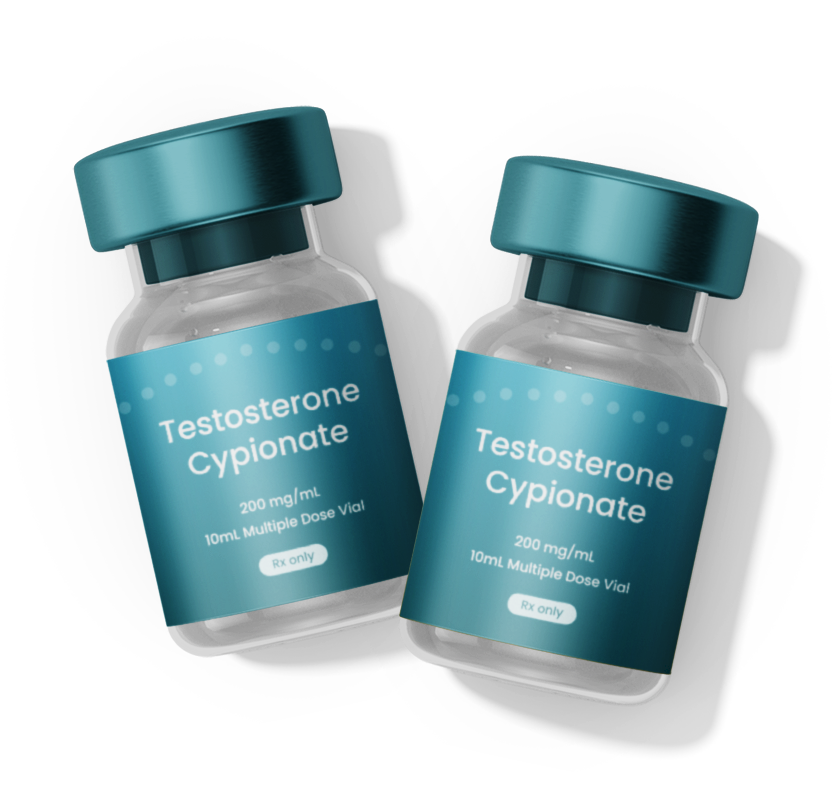
Containers shown for illustration purposes only. Actual size and appearance may vary.
*Actual price will depend on product and subscription plan purchased by consumer.
Medications will only be prescribed by a licensed clinician if deemed medically appropriate after a thorough consultation. Not available in all 50 states. Results are not guaranteed and may vary by individual as part of a personalized weight loss program. Benefits outlined are based on third party studies. Providers may prescribe compounded medications as needed to meet patient requirements. Please visit our website for important drug safety information. The FDA does not approve nor review compounded products for safety, effectiveness, or quality.
Compounded medications have not been evaluated or approved by the FDA for safety, efficacy, or quality. Visit our Medication Safety Information.
We make it easy
Take the quiz
Answer a few quick questions about your symptoms, lifestyle, and health history.
Complete your labwork
Answer a few quick questions about your symptoms, lifestyle, and health history.

Expert care, built around you
- Licensed U.S. clinicians
- Evidence-based treatment plans
- Ongoing Monitoring
- Secure telehealth platform
When to expect results
Improved energy, better mood, clearer focus
Increased libido, better sexual performance, more stamina
Noticeable muscle gains, reduced fat, sustained energy and drive
Regain your edge
TRT is about more than boosting testosterone — it’s about improving how you feel day to day.
Better libido
TRT helps reignite desire, improve performance, and bring confidence back to the bedroom.
Improve Energy
Stronger body
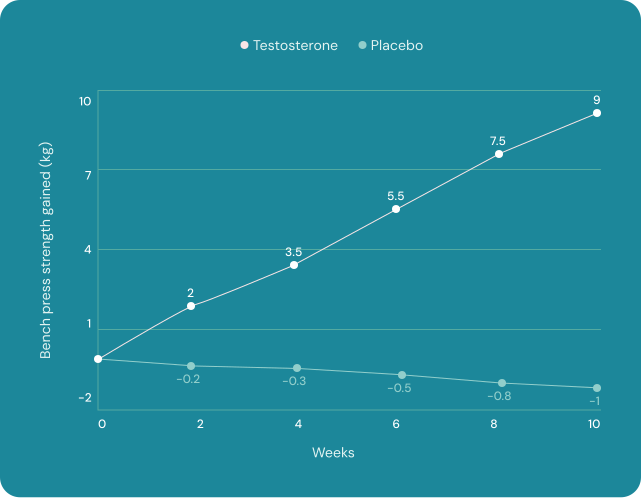
Clinically shown to support lean muscle growth and strength gains.
Testimonials
Ramutu Allen
May 5, 2026

Stacy Brady
May 1, 2026
David Cook
May 11, 2026

FAQ
What is testosterone
Testosterone is a hormone primarily produced in the testes in men and, to a lesser extent, in the ovaries in women. It plays a crucial role in the development of male reproductive tissues, secondary sexual characteristics (such as muscle mass, bone density, and body hair), and overall well-being. In both men and women, testosterone is vital for maintaining muscle strength, energy levels, and libido.
How does testosterone affect fertility?
Testosterone therapy can negatively impact fertility by suppressing the natural production of sperm. This is due to the aforementioned negative feedback loop, where the increased testosterone levels signal the body to reduce the production of luteinizing hormone (LH) and follicle-stimulating hormone (FSH), both of which are crucial for sperm production.
How is testosterone administered?
Testosterone can be administered through various methods, including:
- Injection: Testosterone injections are typically administered intramuscularly (into the muscle) or subcutaneously (under the skin). The frequency of injections can vary, with some protocols requiring weekly or bi-weekly doses.
- Note – In most cases, we will be prescribing via the subcutaneous route
- Oral Dissolvable Tablets (ODTs): These are typically absorbed into the cheek/gums with a little water once to twice daily.
- We also offer:
- Enclomiphene
- The main indications for using off-label enclomiphene are patients who –
- Have low testosterone with correlating symptoms
- Want to preserve fertility
- Want to avoid testosterone products, including injections
- Have “secondary hypogonadism” (not due to causes related to high prolactin levels) with low testosterone and low-normal or low FSH/LH
- The main indications for using off-label enclomiphene are patients who –
- Anastrozole –
- Aromatase inhibitors, like the orally administered anastrozole, can help treat and reduce elevated estradiol levels in men with low testosterone. The goal is to decrease estradiol levels to levels within the normal male range and reduce associated symptoms of elevated estrogen (hot flashes, night sweats, irritability/mood lability, poor sleep, bloating/water retention, erection changes, or midsection weight gain).
- When necessary, this can be co-administered with testosterone.
- Enclomiphene
What are the side effects of testosterone?
Common side effects of testosterone therapy may include acne, oily skin, hair loss, increased body hair, mood changes, increased estradiol levels, testicular atrophy. More serious side effects can include an increase in red blood cell count, sleep apnea, or an enlarged prostate in men. Testosterone therapy may increase the risk of increased blood pressure. It’s important to monitor these effects with your healthcare provider to adjust treatment as necessary.
How does the lab process work?
- Your first lab order for your baseline levels will be waiting for you in the patient portal after completing sign up. You will complete them before meeting with your clinician.
- After that, additional lab work is typically scheduled at 1 month, 3 months, and then every three months until your levels are stable. Once stability is reached, most patients only need annual labs—though your clinician may recommend more frequent testing if needed.
What are the benefits of testosterone?
Testosterone replacement therapy can provide several benefits, including improved energy levels, increased muscle mass and strength, enhanced libido, improved mood and mental clarity, and better overall well-being. These benefits can significantly improve the quality of life for individuals with low testosterone levels who have associated symptoms.